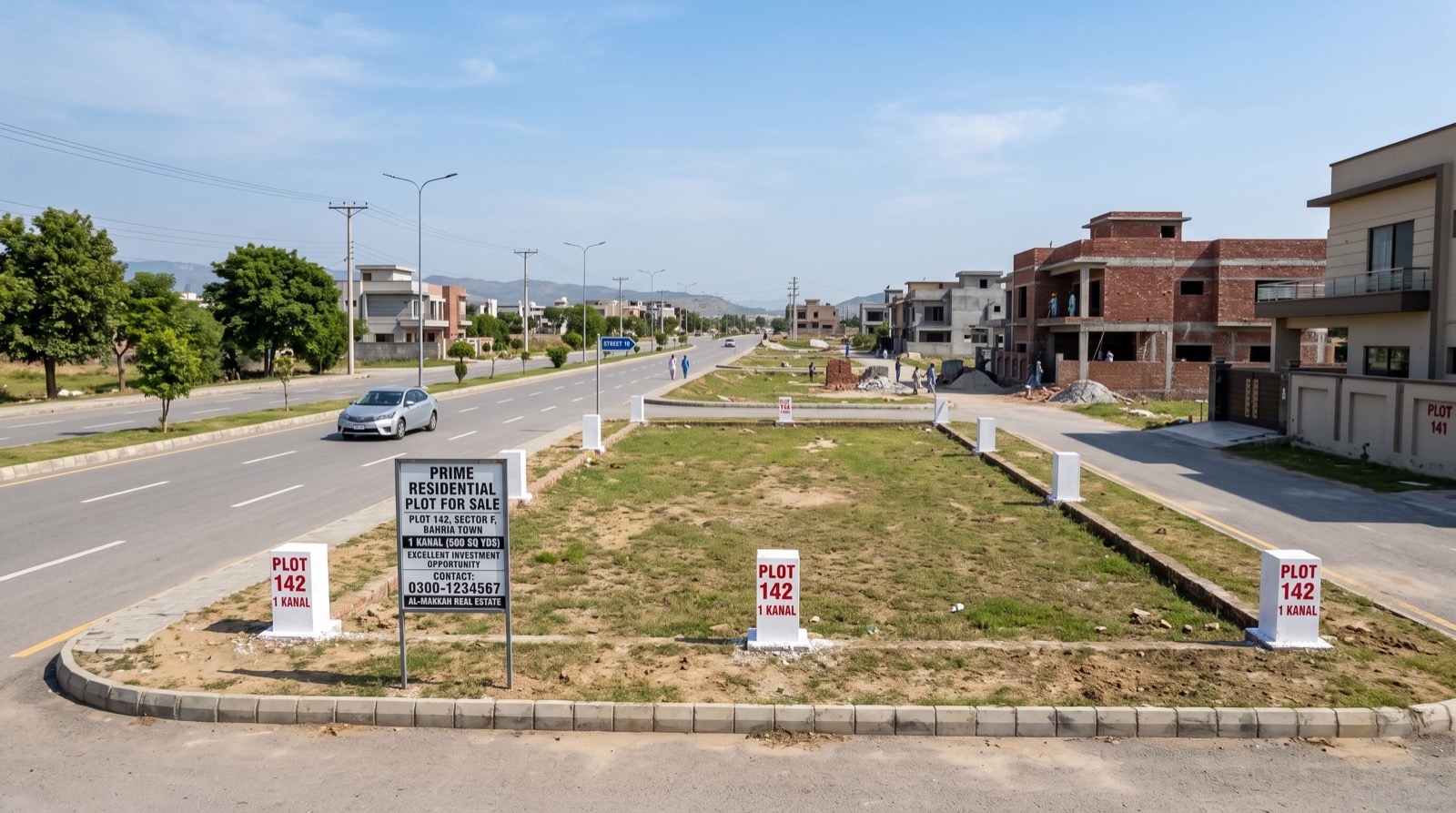
5.5 Kanal High Rise Plots: Silver City 2026 Guide
Vertical development is reshaping the capital region, and 5.5 Kanal High Rise Plots in Silver City, Rawalpindi are at the center of that shift in 2026. These larger parcels are designed for apartment towers, mixed-use buildings, and branded residences rather than single homes, which opens a very different return profile for serious investors and developers. This guide breaks down the economics, the approvals, and the practical steps to buy well.
If you have only ever bought single-home plots, high-rise land plays by new rules: floor-area ratio, approved height, and absorption rate matter more than simple per-marla pricing.
Why 5.5 Kanal High Rise Plots Appeal in 2026
High-rise plots convert land into sellable or rentable floor area. A 5.5 kanal parcel with generous approved height can yield many apartment units, multiplying the return per unit of land compared with horizontal development.
Demand for well-located apartments near the expressway is rising as families and professionals seek managed, secure, amenity-rich living. That demand is exactly what a high-rise developer monetises.
Investors evaluating this category typically start with the society’s dedicated listing for 5.5 Kanal High Rise Plots to confirm block, permitted height, and pricing before building a feasibility model.
What drives a high-rise plot’s value?
- Approved height and floors — more legal floors mean more sellable area.
- Floor-area ratio — the multiplier that turns land into built space.
- Road width and frontage — wider roads often unlock extra height.
- Infrastructure readiness — water, power, and sewerage sized for towers.
The Developer Math Behind High-Rise Land
High-rise feasibility is a stack of numbers. Start with land cost, add construction cost per floor, factor in approvals and financing, then compare against realistic unit sale prices and absorption speed.
Unlike plot flipping, high-rise returns depend on execution. A strong plot with a weak build plan underperforms, while a disciplined developer can turn a fair plot into an excellent project.
| Component | What to Model | Why It Matters |
|---|---|---|
| Land cost | Price per kanal + transfer | Sets the floor for all returns |
| Buildable area | Floors × coverage | Determines sellable units |
| Construction | Cost per square foot | Largest variable expense |
| Absorption | Units sold per quarter | Drives cash flow and risk |
Balancing High-Rise With Affordable Land
Not every rupee should go into a single large parcel. Many investors anchor a high-rise play with a spread of smaller, lower-ticket holdings to manage risk and keep liquidity.
For that base layer, buyers often scan the society’s more accessible inventory of Cheap residential plots in pakistan so capital is not fully committed to one long-horizon project.
Step-by-Step: Buying a High-Rise Plot Wisely
- Confirm the plot is zoned and approved for high-rise, with documented permitted floors.
- Obtain the floor-area ratio and coverage rules in writing.
- Build a feasibility model before negotiating price.
- Verify infrastructure capacity — towers need heavy utilities.
- Cross-check regulatory status through the Capital Development Authority and complete the transfer at the office.
Skipping the feasibility step is the most common and most expensive mistake. Model first, buy second.
Lean on Specialists Who Understand Vertical Projects
High-rise land is a specialist asset. Working with dependable specialists who understand approvals, feasibility, and local absorption helps you avoid plots that look cheap but cannot support a viable tower.
Ask any advisor for the permitted-height document, comparable high-rise sales, and infrastructure confirmations. Clear evidence beats confident claims every time.
Timing and Financing a High-Rise Play
Vertical projects live and die by timing. Entering before a society’s apartment demand matures lets you buy land cheaper, but it also means carrying the asset longer before sales begin. Match your entry to your holding capacity.
Financing adds another layer. High-rise construction typically draws on staged funding tied to project milestones, so your cash-flow plan must align build phases with sales receipts. A mismatch here is the fastest route to a stalled project.
Pre-sales are a powerful tool. Selling a portion of units early, often at a launch discount, funds construction and validates demand at the same time. Build a realistic pre-sale assumption into your model rather than hoping for it.
Phases of a typical high-rise timeline
- Acquisition — secure the plot and confirm all approvals.
- Design and sanction — finalise plans within permitted height and coverage.
- Pre-sales and launch — raise early capital and gauge demand.
- Construction — execute in funded, milestone-linked stages.
- Handover — deliver units and complete remaining sales.
Mapping these phases before you buy keeps expectations honest and protects you from the cash-flow surprises that derail inexperienced developers.
Interest-rate and construction-cost trends also deserve a place in your plan. When borrowing is expensive or material prices are volatile, lean toward stronger pre-sales and conservative phasing so the project stays funded even if conditions tighten midway through the build.
Above all, give yourself margin. A feasibility model that only works in a perfect market is fragile, while one that still returns a profit under slower sales and higher costs is a genuinely resilient investment you can commit to with confidence.
Frequently Asked Questions
Are 5.5 Kanal High Rise Plots suitable for individual investors?
They suit investors with larger capital or those pooling funds for a development. Individuals can also hold the land for appreciation and sell to a developer later, but the strongest returns come from executing or partnering on an actual high-rise project.
How many floors can I build on a high-rise plot?
Permitted floors depend on the society’s approved plan, road width, and zoning. Always obtain the height and floor-area-ratio rules in writing before buying, because those numbers directly define how much sellable space your land can produce.
What makes high-rise land riskier than normal plots?
Returns depend on construction execution and unit absorption, not just land appreciation. Build cost overruns, slow sales, or approval delays can erode margins, so a conservative feasibility model and strong project management are essential.
How do I verify a high-rise plot is genuinely approved?
Request the documented permitted floors, confirm zoning through the relevant authority, check that utilities are sized for towers, and complete the transfer at the society office with original papers rather than informal agreements.
Conclusion
5.5 Kanal High Rise Plots reward investors who treat them as development assets, not simple plots, and 2026 demand for well-located apartments supports that thesis. Confirm approved height, model feasibility before you negotiate, balance the play with liquid holdings, and work with specialists who know vertical projects. Approach it that way, and a single high-rise parcel in Silver City can anchor a genuinely scalable return. Review current high-rise inventory and start your feasibility model today.